The Northern Front in the Iron Sword War and Its Impact on Northern Forests
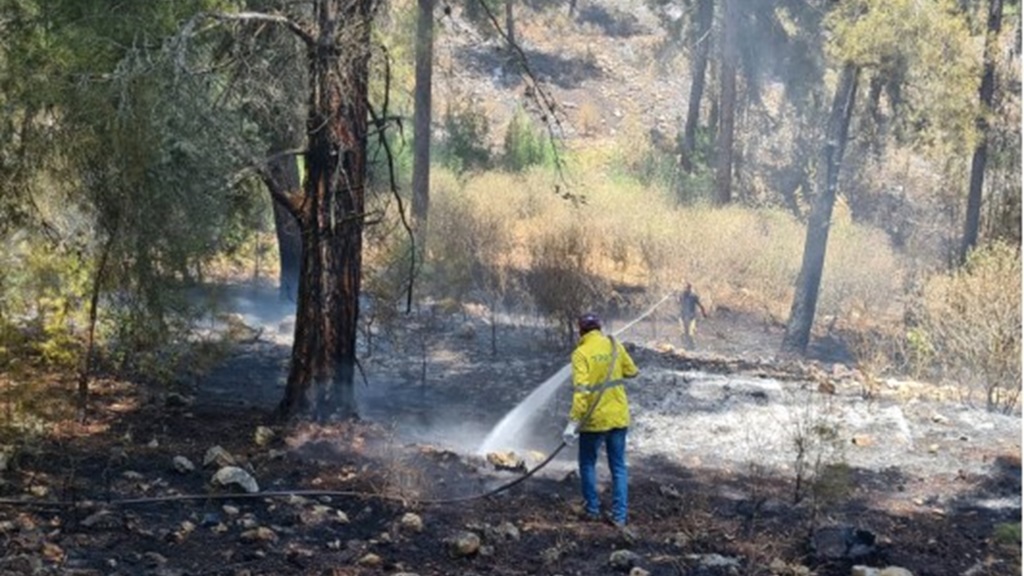
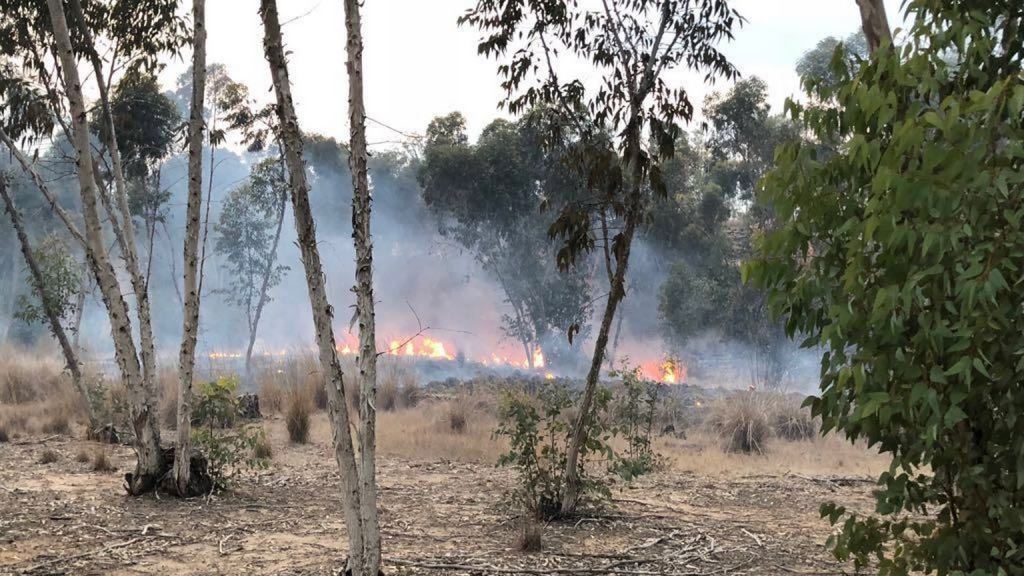
The Iron Swords War, which began in October 2023, opened a northern front with Hezbollah, escalating during the summer of 2024. This caused damage to forests and open areas under KKL-JNF management in northern Israel. With the ceasefire along the northern border taking effect in late November 2024, the fires in the forests finally subsided.
Plantings for the Renewal and Restoration of the Be'eri Forest after Repeated Fires
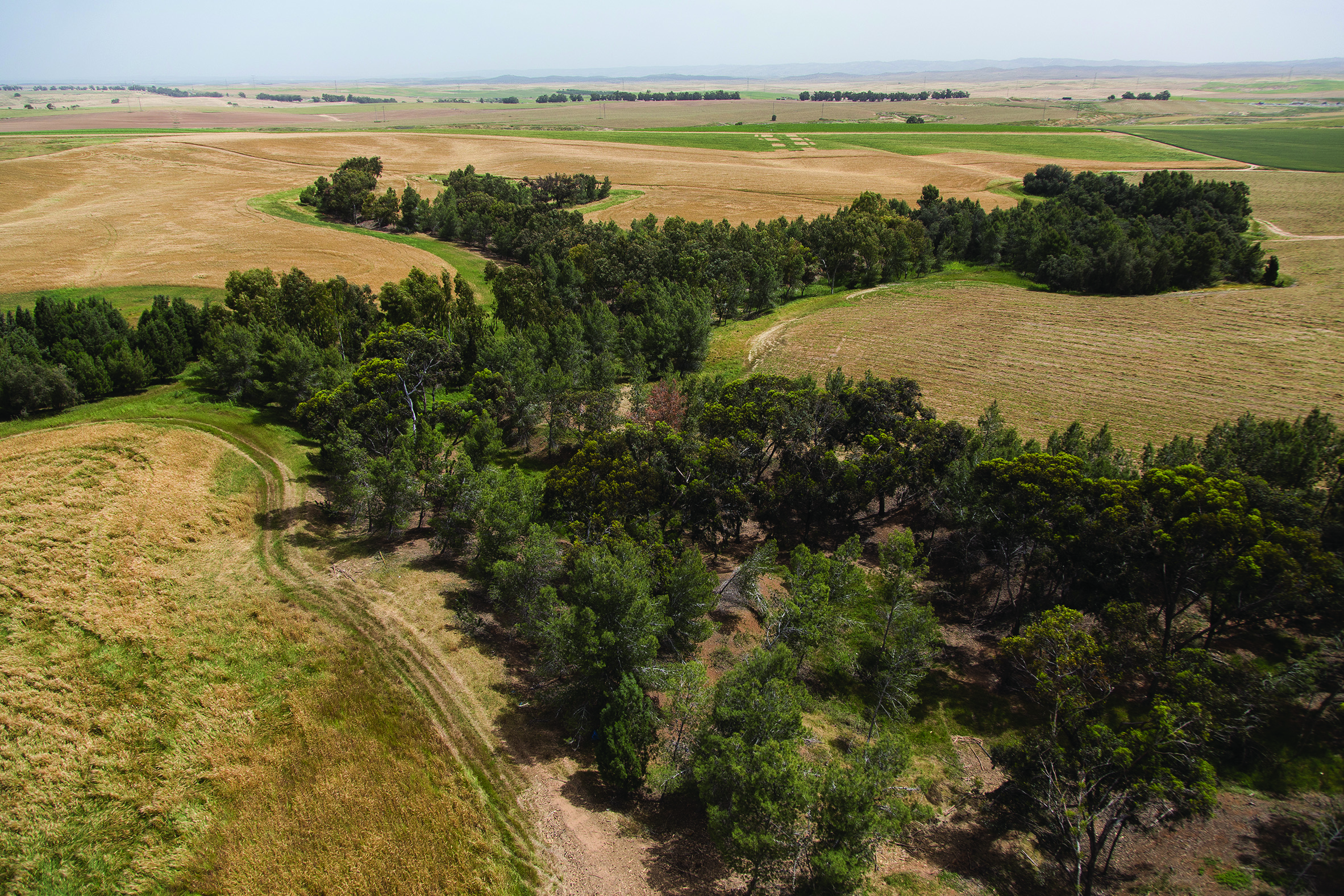
Fires in open areas have a great impact on the design of natural vegetation and the entire ecosystem. The open areas in the Western Negev, near the border fence with the Gaza Strip, are characterized by extensive areas of field crops and orchards, embedded in natural areas of nature reserves and diverse forests planted by KKL-JNF since the 1960s.
Human activity has shaped the landscape of Israel’s southern arid and semi-arid region for millennia. The long history of human settlement, land use and overexploitation of natural resources, has created cultural landscapes, i.e., modified ecosystems managed by humans that provide and sustain specific ecosystem services.
The little things that make the difference -
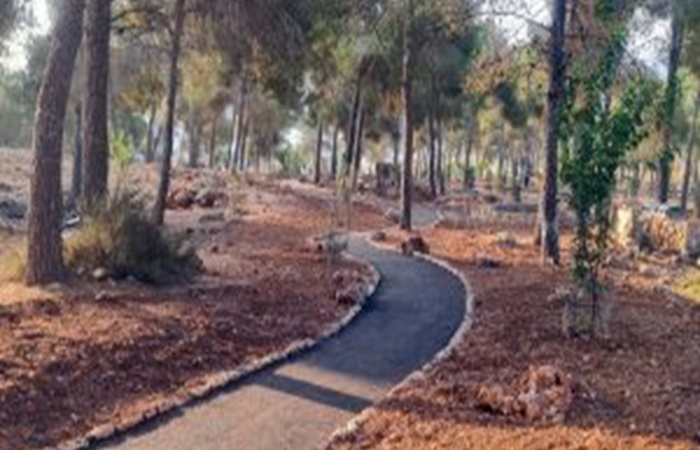
Accessibility for all in the forests
The KKL-JNF forests are used as rest and recreational sites, receiving millions of visitors every year. The demand for visiting the forests is on a constant upward trend due to the growing health and physical need for activity in natural sites and the constant growth in the population.